01Welcome & vision
Welcome to Panya Forest.
“These times are urgent, let us slow down.”
Dr. Bayo Akomolafe
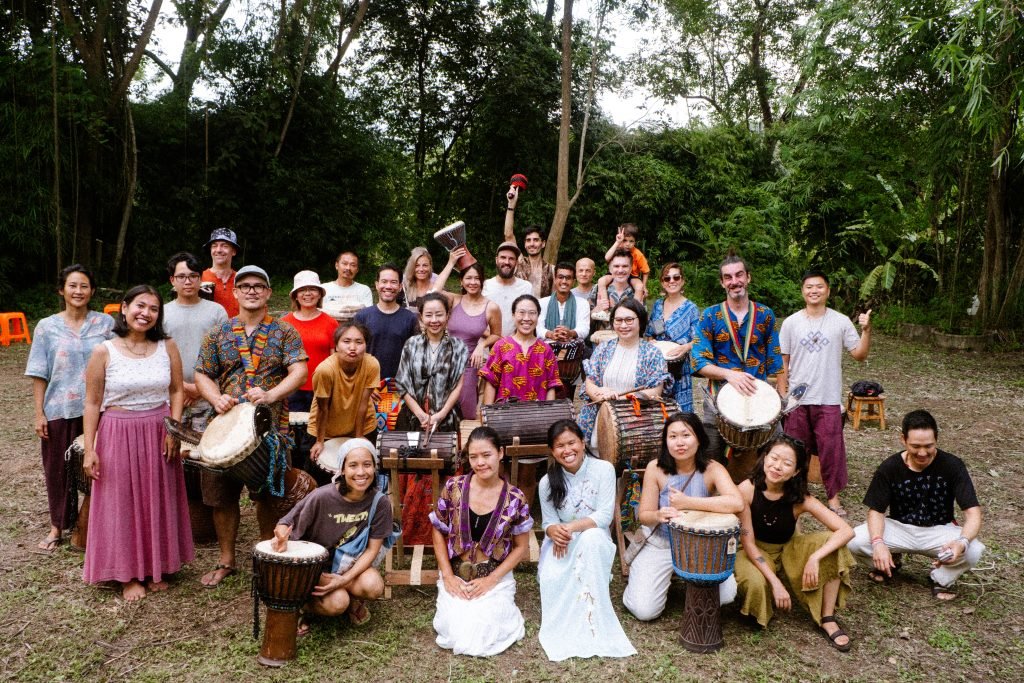
Located along the rim of the Sri Lanna National Park, in Chiang Mai, Thailand, we are a slowly flowering community dedicated to regenerative agroforestry, ritual farming, seed-saving, natural building, ethnobotany and the preservation of endangered wisdom traditions. Below are some details we hope might better explain our vision and how you might be a part of it.
02Vision
Panya Forest
A place for remembering
Within the forests of Northern Thailand an ancient future is re-emerging.
Panya Forest offers refugees from modernity an opportunity to engage again with natural co-existence by adhering to the original, foundational principles of respect and reciprocity, agreements all in-tact peoples of the world were once well-versed in before the advent of so-called “civilization”.
Here, skills necessary for all living beings are all learned experientially through communally embodied practices that return villagers to a relational existence rooted in myth, meaning and shared responsibility.
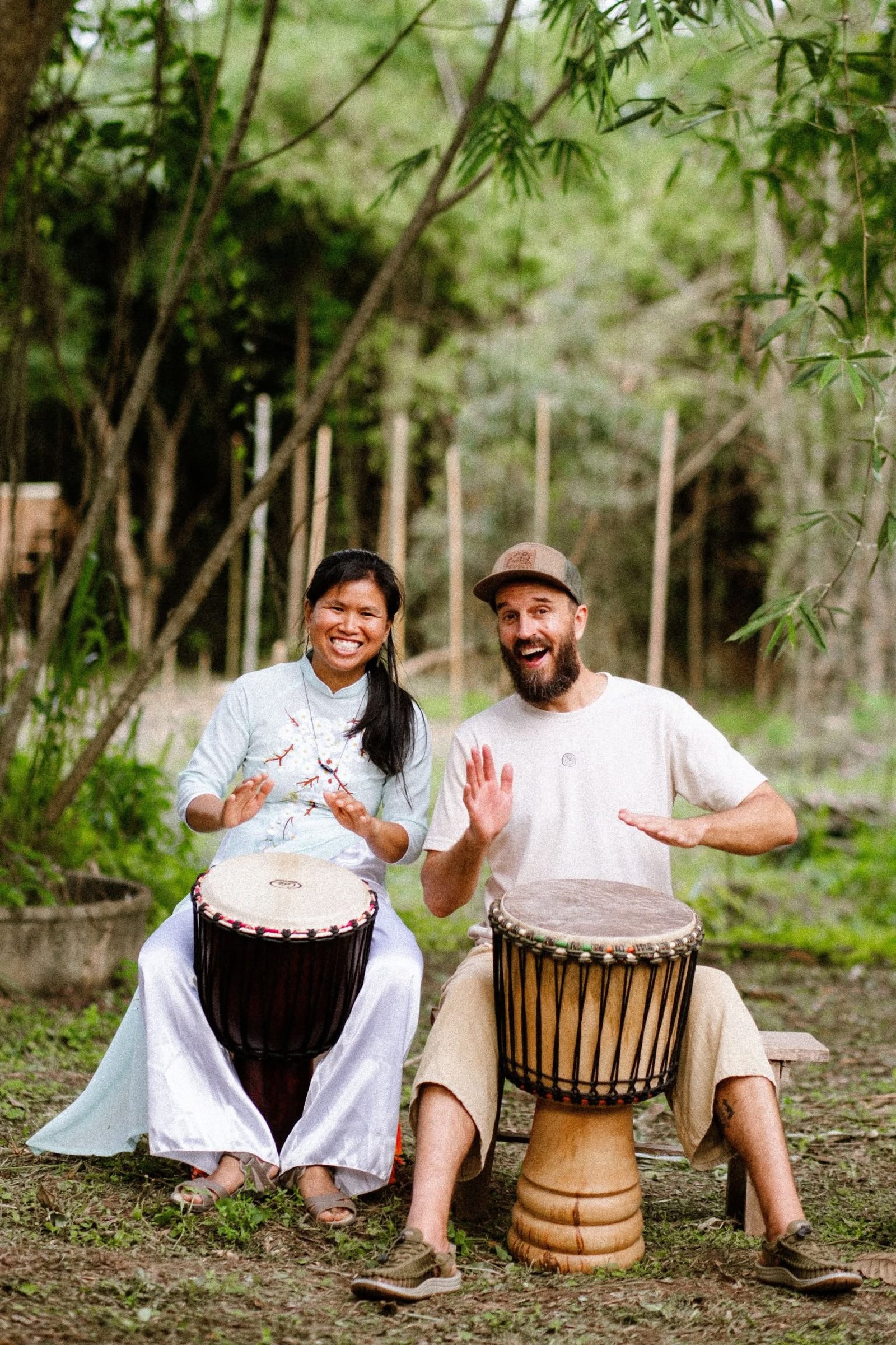
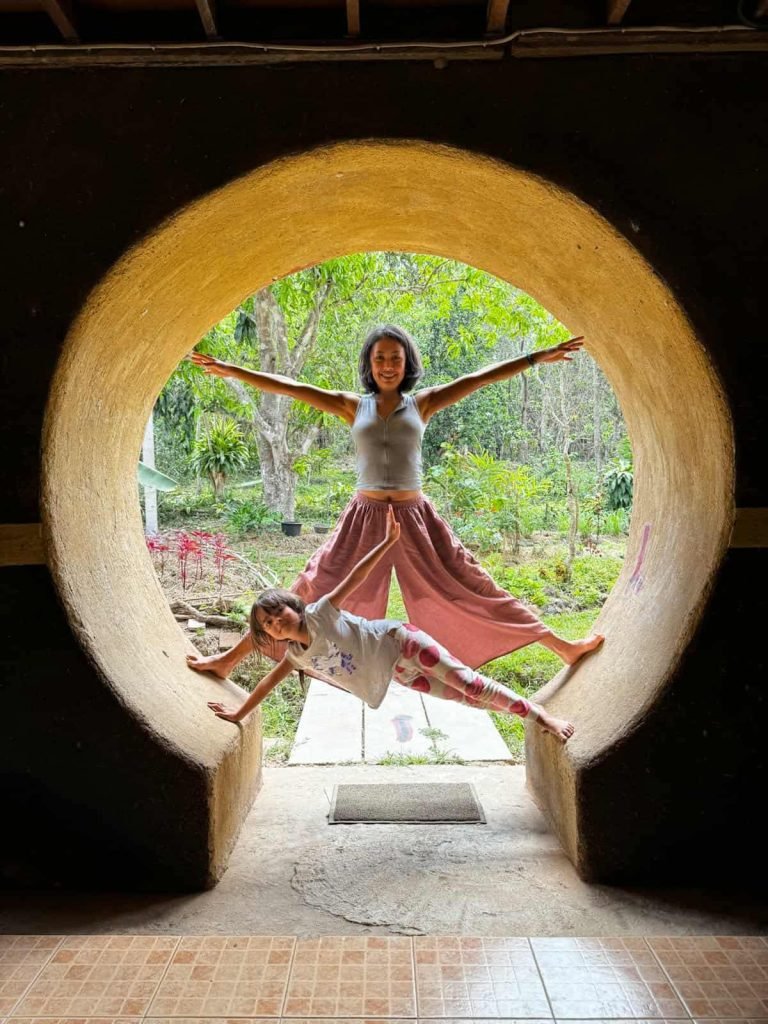
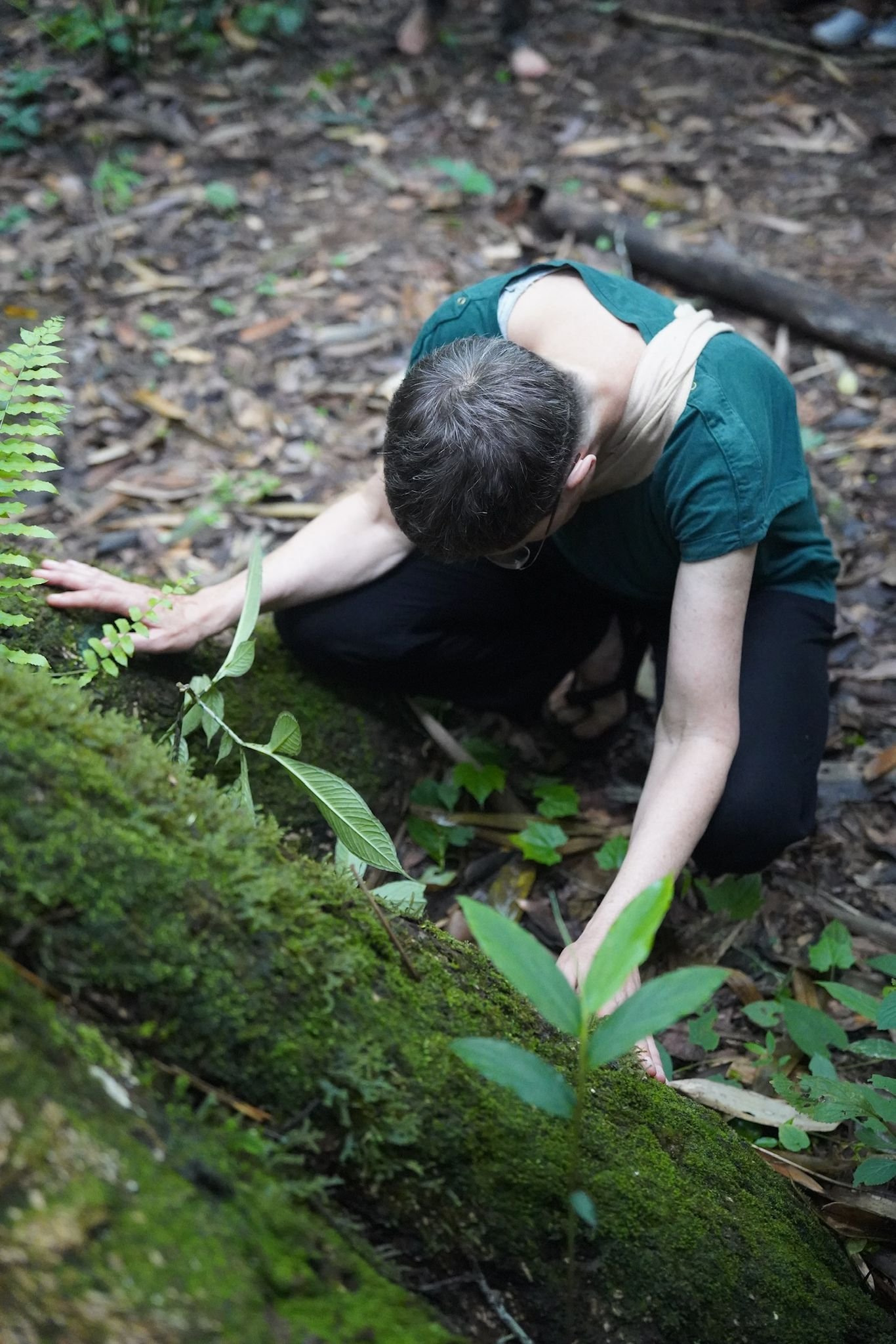
Working closely with nearby indigenous communities, Panya Forest seeks to be a bridge between the world of land-based peoples of culture and economic/technologically-rooted friends from urban settings. Being uniquely situated on 12 acres of forest resting on the edge of Himalayan foothills, we strive to reimagine what post-modern life can be.
We believe our lives can be ethically designed in ways that meet the basic needs of modern people with care for the land serving as the central guidepost for all important decision making.
Embracing uncertainty, met with a generous allowance for mistake-making, we explore how humans can embrace the wild in ways that don’t require them to destroy delicate ecosystems nor abandon all modern conveniences while still operating in alignment with the Original Laws of right reciprocity, respect and a dedication to a time beyond now.
Children (and adults) are unschooled here. Education at Panya Forest is not offered linearly, preferring instead to start precisely in the middle, where everyone already is, in alignment with the natural rhythms of our hearts, the sun, the moon, the seeds in the ground, wind, rain, etc. Everything here happens at the appropriate time, designated by the needs of Spirit and Soil.
Seemingly logical interpretations of “the way things are” merge here with ever changing animistic undertones in an effort to return community members to a place of shared, inter-species, intergenerational remembrance. A reorientation of time surfaces thus, as no clocks, no WIFI, no televisions, etc. block views of eARTh and sky. Teachings and inspirations arrive via riddles, impromptu prayers, unexpected dances, meandering metaphors and initiatory Stories sung spontaneously round the fire under blankets of origin-stars.
Panya Forest is a safe space for refugees of all kinds. It is a place of peace where farmers, grandmothers, poets, artists, musicians, bored teenagers and underappreciated chefs are all exalted and honored as the esteemed keepers of wisdom and visionary hope they are. It is a place where community conflict is not avoided but actively addressed in proactive, life-serving ways. The realities of modern life are not ignored here, the needs for financial abundance, and other post-modern necessities are all explored in tandem with neglected ancestral skills. All decisions are made with consideration for the well-being of future generations, both human and more-than-human.
The goal is to aid in the re-emergence of life-serving, ancestral memories by enabling the coming together of enough appropriate conditions for the regeneration of wisdom. As any seed saver knows, such unlikely events do in fact occur. When the right soil meets the right water, the right amount of sunlight, etc. and is met at dawn each day with the right old-time songs and pulsing ancestral rhythms, seemingly extinct seeds can, and do miraculously reappear.
At Panya Forest, we believe people are like plants. Even though modern education has given rise to a tragic atrophy of human creativity that has resulted in the genocide of countless languages and colorful ways of seeing and being, That Which originally birthed the original, all-but-forgotten visionary educations of the past still exists, patiently waiting for the right time to breathe life again into the dormant seeds of nearly extinct cultural excellence, in new ways, in ancient, never-before-seen ways.
“It is not enough to save heritage seeds. The culture of those people to whom each seed belongs must be kept alive along with seeds and their cultivation. Not in freezers or museums but in their own soil and our daily lives.”
Martín Prechtel
03The invitation
Volunteer opportunities
Panya Forest positions itself at the center of myriad intersecting narratives. At the heart of countless interweaving plotlines is an awareness that a return to community is essential if we, as a human species are going to return again to Right Relation. Modernity has forced most of humankind to live far from the village, so much so that most of us have forgotten how to live intimately with others. Locked inside insular spaces, be they monastic caves or air-conditioned apartments, most have become dangerously comfortable with an unhealthy form of solitude.
Solitude, in and of itself is not a bad thing. Indeed, at Panya Forest we place great effort into creating spaces for solitary contemplation, knowing that one of the most foundational requirements of the artist is to find silence and learn how to listen to its creative insights. However, humans are, at their core, social animals. We need each other. With this in mind, we are actively co-creating with kin from all walks of life, speakers of many languages, the elderly, the young, teenagers, newlyweds, recently divorced, bakers, drifters, authors, painters, athletes, poets, farmers, seed-savers, aspiring chefs, professionals, web-three enthusiasts, metalsmiths, dancers, professors, parents, architects, dreamers of all kinds, all the freaks, squares and castaways, all marvelous beings of this vast, extraordinarily colorful and complex world a place where we re-learn how to live together.
In this space of rematriation, we center the vulnerable and lay down unrealistic expectations. We recognize and honor each person’s unique gifts and aspirations. We hold each other accountable, striving to meet each other (and all sentient life) with reverence and humility. We understand how hard it can be to show up as our true selves, especially with others. As such we never ask anyone to do more than they can. We, as the founders of this space, have our own setbacks, places where we need work. We are all simply doing our best. But as we laugh and cry, make mistakes, make a little progress, learn some, get tired, get inspired, we try our best and we do so… together. We are all just, as the late Ram Dass famously said, “walking each other home.”
We would love to have you join us. We host volunteers all year. Please note that we reserve work exchange only for those who are genuinely unable to pay and come from especially challenging situations, such as refugees, kin from extremely impoverished regions, etc. We have found that community thrives best when we all chip in, including financially. One of the core pillars of a healthy village is an activated understanding of reciprocity. Most of our community members have been teaching, farming, etc. for several decades and possess a wealth of knowledge in many arenas. When people offer their wisdom away without reciprocity, energy tends to weaken. As such, we ask “volunteers” to make a small contribution of 500THB per day in an offering of gratitude and shared commitment to communal growth. This price covers all food, lodging, access to all our libraries, gardens, etc. as well as daily instruction.
Please note
Community building isn’t easy. It inherently requires many hands, lots of hard work. It requires consistent vulnerability and excellent communication skills. So too, does it require the aid of the more-than-human realms as well, and assistance from our ancestors. Knowing this, we are attempting to create spaces for this ancient awareness to rise more frequently.
We are nourishing an endangered awareness of our shared human responsibility to remain aware of our ancestral roots, our relationship with the more-than-human realms and our responsibilities for both past and future generations. We are collectively learning to break free from the isolation imposed by modern life through the proactive cultivation of relationships grounded in respect, reverence and responsibility.
If you are interested in joining us for a few days, a few weeks, or even a few months, please send us an email and share with us your story.
04Core values & philosophy
What we practice
Regenerative land stewardship
Rebuilding soils, conserving heirloom seeds (“Honey in the HeART Seed Bank”) and restoring natural ecosystems through agroforestry and organic farming.
Cultural & ancestral seeds
Honoring traditional land practices. Remembering our ancestral wisdoms by embodying earth wisdom in partnership with local communities (Pun Pun Organic Farm, Earth Home, and the Pgakenyaw village of Hin Lad Nai).
Community commitment & reciprocity
Fostering inclusive, supportive, and respectful relationships with long-term stewards, seasonal volunteers, and local partners.
05Onboarding & contributions
Program details & expectations
🌱
Stay duration
Standard volunteer stays range from a minimum of 2 weeks to a maximum of 4 weeks (longer for specific agreed upon co-creation projects).
🤝
Daily financial contribution
500 THB per day (covers 3 organic farm fresh meals, rustic but comfortable lodging, drinking water, electricity, and daily farm guidance).
🕊️
Subsidized exchange for refugees
We remain committed to helping refugees of war. Reach out to us directly if you require special financial assistance.
💳
Payment method
Fees are paid in cash upon arrival or via bank transfer prior to arrival.
06Embodied ancestral wisdom
Primary work
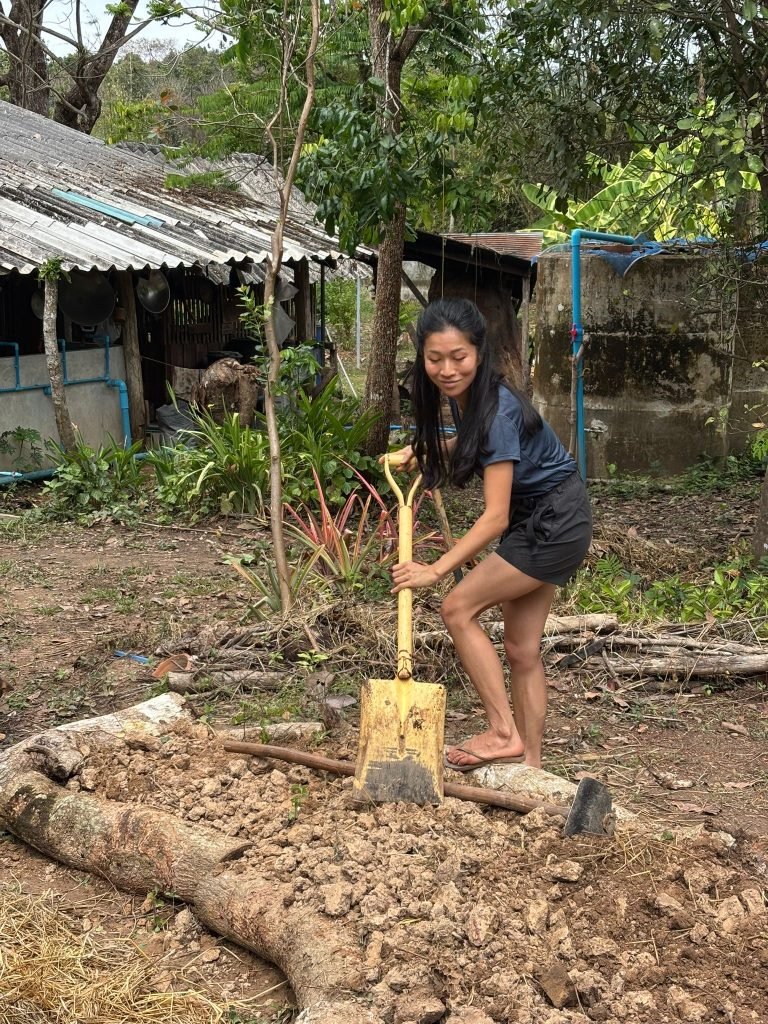
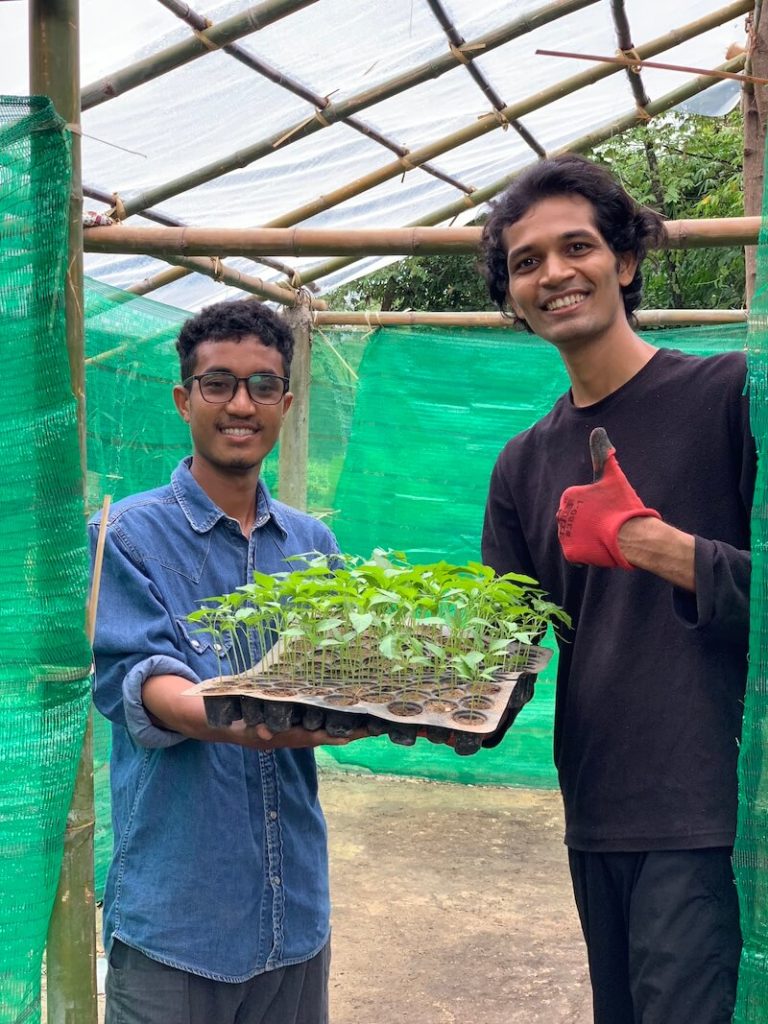
Volunteers participate in seasonal farm projects, including:
🌾
Ritual organic gardening & seed saving
Propagating heirloom seeds, garden beds maintenance, composting, and nursery management in respect of their stories and lineage.
🌳
Agroforestry & land design
Tending food forests, tree planting, soil building, biochar production, mycology works, etc.
🧱
Natural building
Adobe brick crafting, mud oven building, bamboo construction, and maintenance of farm structures.
🍲
Farm crafts & community support
Natural dyeing, soap making, foraging, and communal kitchen support.
🎨
Art and music
Making Beauty for the Holy; clay pottery, musical instruments making, natural painting, making jewelry from seeds and natural materials, smithing, etc.
07Community rhythm
Daily schedule & community rhythm
A shared daily rhythm helps balance focused work, group connection, and rest:
Note: We have 1 day off per week so volunteers can rest, explore, tend to personal needs, etc.
08Logistics
Where you’ll stay
Private room
Comfortable bedding. Only 6 rooms available.
Family room
Parents with small children (one room currently).
Dormitories
Rustic but comfortable, single-gender, recently renovated (male and female dorms separate).
Bedding provided
Newly built beds with sleeping mattress/futon, pillow, mosquito net, and clean bedding.
Facilities
Shared cold-water showers and clean western-style compost toilets.
Note: We charge slightly more per night for private rooms. DM for details.
09The kitchen
Food & dining
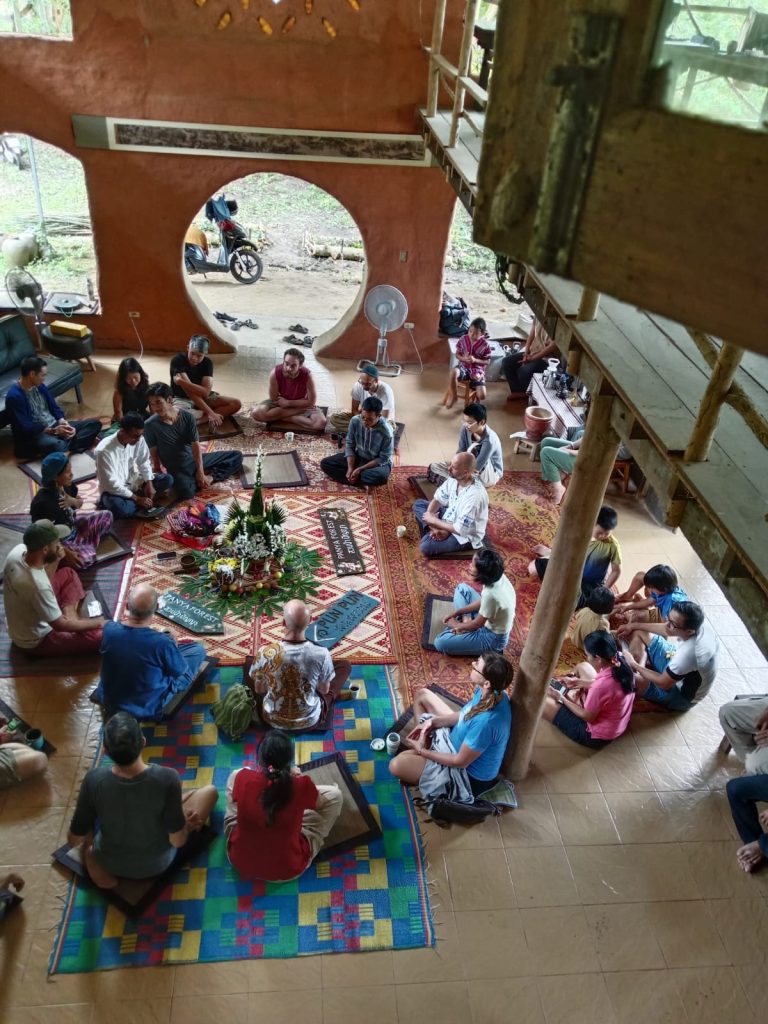
Communal meals with ritual to honor our land and ancestor
We offer healthy, freshly prepared meals made from local organic produce, with whole grains grown by our community. Northern Thai Lanna style, Burmese/Arakan dishes, and Thai cuisine. We believe food is sacred, so before each meal we take time to honor the food and our ancestors.
Dietary needs
Vegetarian options are always available. Please inform us of special needs.
10Packing list
What to bring
👕
Clothing
Modest, breathable work clothing that covers arms and legs (long pants and long-sleeved shirts for sun, bugs, and grass). *Spaghetti strap tops and short shorts are culturally inappropriate.
👢
Footwear
Sturdy closed-toe shoes or work boots for farming/hiking, plus slip-on shoes for living areas.
Gear & essentials
- Headlamp or flashlight (pathways are unlit at night)
- Refillable water bottle
- Personal bath towel (we do have some to borrow) & eco-friendly toiletries
- Mosquito repellent & sunscreen
- Small padlock (for locker storage)
- Thin sleeping sack/liner (optional) & power bank
Note: Panya Forest has a small on-site shop for basic needs such as gloves, mosquito repellent, sun hats, soap, etc. if you happen to forget something.
11Living together
Code of conduct & cultural guidelines
Cultural respect
Maintain modest dress and respectful behavior toward local staff, community elders, and fellow volunteers.
Substance-free spaces
Respect community agreements regarding alcohol, drug usage, and smoking areas.
Quiet hours
Honor quiet time starting at 09:00 PM to support everyone’s rest.
Safety around wildlife
Be mindful of local farm flora and fauna (e.g., mosquitoes, snakes, scorpians, centipedes). Always wear proper footwear at night and when walking through tall grass. Use a flashlight.
12Practical info
Emergency & contact information
Location
Mae Taeng District, Chiang Mai, Thailand (approx. 1.5 hours from Chiang Mai city, 5 minutes walk from Pun Pun Farm).
Nearest medical facility
Mae Taeng Hospital (approx. 20-minute drive).
Ramphai Noikaew
Phone: +66 0957211385
Email: hanaramphai@gmail.com
Gregory Pettys
Email: brotherg13@gmail.com
Walking each other home
Ready to join us?
If you are interested in joining us for a few days, a few weeks, or even a few months, please send us an message and share with us your story.
or email panyaforest@gmail.com